

30 Apr Spring Leaks Don’t Always Mean Roof Replacement: How Independent Inspections Help Owners Make the Right Call
Spring is when roofing problems get loud. A roof that seemed manageable through winter can suddenly start showing stains on ceiling tiles, moisture around penetrations, or water intrusion that turns into tenant complaints, resident frustration, or operational disruption. For many owners and managers, the pressure shows up all at once: fix it fast, stop the leak, and decide whether the roof has to be replaced.
That is exactly where costly mistakes begin. When water shows up inside a building, the next call is often made under pressure. A contractor is asked to take a look. A proposal appears quickly. And just as quickly, the recommendation becomes, “You need a new roof. Sometimes that recommendation is right. Many times, it is incomplete. A leak is a symptom. It is not automatically a verdict. That is why spring is one of the most important times of year for an independent roof inspection.

Alliance Consulting & Testing does not sell roofs, install roofs, or profit from pushing replacement. Our role is to help owners understand the true condition of the roofing system, the likely source of the issue, the useful life that remains, and the most practical next step. Sometimes that next step is repair. Sometimes it is phased planning. Sometimes it is a replacement. The point is that the answer should come from facts, not sales pressure.
Why spring creates expensive decisions
Spring rain exposes weak points that may have been quietly developing for months or even years. Drainage problems, flashing issues, membrane defects, failed penetrations, edge conditions, deferred maintenance, and building envelope issues can all show up as “roof leaks” to the person inside the building. The challenge is that urgency tends to compress good decision-making.
When a board, property manager, or facilities leader is dealing with active leaks, the understandable instinct is to approve the fastest-looking solution. But quick decisions made without independent evaluation often create larger long-term costs:
- replacing roofs that still have usable life left
- approving work based on incomplete scope
- budgeting too much for the wrong issue
- missing building envelope contributors that continue the problem
- pushing projects forward without a long-term maintenance plan
The smarter path is to slow the decision down just enough to get clarity.

What an independent roof inspection actually tells you
An independent inspection does more than confirm that water is getting in. It helps answer the questions owners actually need answered:
- What is causing the issue?
- Is the problem isolated or widespread?
- Can the roof be repaired responsibly?
- How much useful life remains?
- What should be prioritized now, and what can be planned later?
- Is the roof issue really the roof alone, or are other building envelope conditions contributing?
Those answers matter because the right decision is rarely just technical. It is financial, operational, and strategic.
For a multi-family property, that decision affects reserves, resident experience, and board confidence.
For a commercial property, it affects tenants, planning, and capital timing.
For an industrial facility, it can affect production schedules, downtime risk, and interior protection.
The value of an independent inspection is not simply that it finds defects. It gives decision-makers a defensible path forward.
What this means for HOA boards
For HOA boards, spring leaks often create a familiar problem: the community wants action immediately, but the board still has a duty to act prudently with reserve dollars. That is where independent guidance matters most. An HOA board does not need a sales pitch. It needs clarity. Which buildings are priorities? Which issues are active? Which roofs still have life left? Which conditions can be repaired now while replacement is planned intentionally over time?
That kind of information helps boards avoid overcommitting reserves, communicate clearly with residents, and make decisions that hold up well when owners ask reasonable questions about cost and timing. The goal is not to delay action. The goal is to take the right action.
What this means for commercial building owners and managers
Commercial owners and property managers often deal with another layer of complexity: multiple roofs, competing capital needs, tenant expectations, and a constant flow of contractor recommendations. In that environment, “replace it all” is rarely a strategy. It is usually a reaction. Independent inspections help commercial decision-makers sort through which roofs are immediate priorities, which conditions need repair, and which systems can remain in service with a managed plan. That leads to better budgeting, fewer surprises, and less disruption from emergency decision-making.
It also creates a better foundation for later phases of work. If replacement eventually becomes necessary, the owner already has documentation, condition data, and a clearer path into specification writing, bid analysis, and quality assurance.
What this means for industrial facilities
Industrial managers do not just worry about leaks. They worry about what leaks interrupt. Water intrusion can affect equipment areas, inventory, process continuity, and day-to-day operations. In those settings, the cost of misdiagnosis is often greater than the cost of the roof issue itself.
Independent inspections help industrial owners and managers determine whether the right move is targeted repair, broader correction, phased replacement, or a proactive maintenance plan. Just as important, they help prioritize work in a way that respects operations rather than forcing unnecessary disruption.
So when should a roof be repaired instead of replaced?
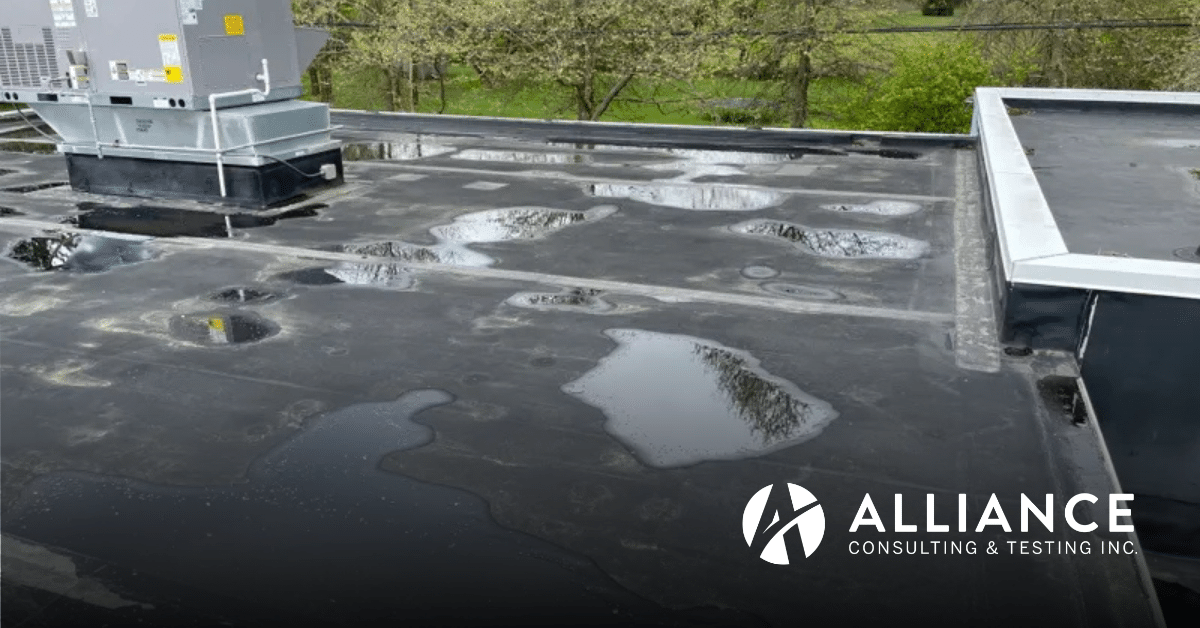
There is no single rule, but there are better questions. If the roof shows widespread failure, repeated leak history, advanced deterioration, or conditions that make continued repair inefficient, replacement may be the more responsible answer. But owners should never be forced to guess. The best decision comes from an independent evaluation of current condition, service life, repair feasibility, and future budgeting needs.
The bigger opportunity after spring
The real lesson of spring leak season is not just how to respond to leaks. It is how to avoid being surprised by them next year. That is where proactive annual inspections become so valuable. An annual inspection program helps owners move from reactive spending to planned decision-making. Instead of discovering problems only when water shows up inside, owners gain visibility into condition trends, budget timing, and maintenance priorities before emergencies start driving the process. In other words, spring should not only trigger repairs. It should trigger better planning.
Start with facts
A leak deserves urgency. It does not deserve guesswork.
Before you approve repair work, replacement, or a major capital decision, start with independent information about what your roof is actually doing and what it actually needs.
Alliance Consulting & Testing helps HOA boards, commercial property leaders, and industrial owners move from pressure to clarity with independent roof inspections, practical guidance, and a plan built around the owner’s best interests.
If spring has already started raising questions about your roof, now is the right time to get answers you can trust.